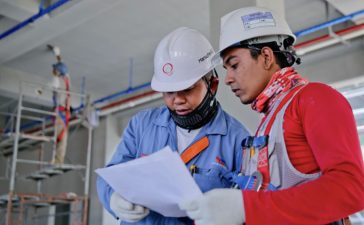


Construction is more than just the assembly of materials as per a drawing. From commercial facilities to residential developments, roadways to drainage systems, it’s important to plan every step along the way for any public structure. A professional engineering service can assist in making an idea a practical and safe project. Engineers assess site conditions, work out structural needs, take environmental considerations into account, and create technical plans that direct building construction right from the start. Professional engineers can also be useful in preempting future issues that can become costly errors. The project planning process can seem simple early on, but various site issues like soil characteristics, the movement of water, utility placement, traffic needs, and local regulations can arise. A set of technical knowledge and project-specific analysis is used by an experienced engineer to overcome these issues in the pre-construction phase.
Safety, compliance with standards, and technical accuracy
One of the biggest benefits of hiring qualified engineers is their focus on safety. The structures and infrastructure should be able to resist loads, weather, and the routine stresses that they are built to withstand. Engineering calculations are used to decide on materials, dimensions, drainage, foundations, and systems of structures. Public Infrastructure Engineering is especially vital for projects that include roads, stormwater systems, utilities, or public buildings, or those that serve many users. These projects must meet safety, durability, accessibility, and performance requirements, while balancing these criteria. Engineers also play a key role in ensuring that the designs align with relevant codes, standards, permits, and regulatory requirements, minimizing the risk and potential delays of costly redesigns.
Improved decision-making in the development of projects
 Public Infrastructure Engineering services can also help to optimize resource utilization. Engineers can compare various construction options and suggest solutions for performance, cost, site constraints, and future maintenance. For instance, a cheaper drainage option might be more prone to the need for repairs in the long term if it was not designed correctly. An alternative not built right may have a higher up-front price, but be more reliable for a long period of time. Thoughtfully created resources like cornerstoneengllc.net can also assist project stakeholders in comprehending the part that engineering companies play in addressing intricate building requirements. This is important for public infrastructure engineering as public works are supposed to provide service for the long haul. Engineers will not only consider the functioning of a system on opening day, but also how it will work through changes in conditions, demand, and regular maintenance.
Coordination and Successful Completion
When building a large project, it is crucial to involve architects, contractors, surveyors, suppliers, government agencies, property owners, and other professionals. If technical coordination is not properly done, there may be conflicts of plans or unclear responsibilities resulting in delays and extra costs. Public Infrastructure Engineering also assists with linking the design and construction process together to help ensure that approved plans are actually converted into physical infrastructure. If unexpected circumstances occur, the engineer can make an effective adjustment, meeting the essential requirements of the project.
In the end, the professional engineering services offer more than simply technical drawings. They bring analysis, accountability, planning, and problem-solving into the construction process. Public Infrastructure Engineering shows how engineering skills can create safe, effective, resilient, and long-term sustainable projects that meet the needs of the community.