
Indoor air quality is an important contributor to safeguarding human health, wellbeing and productivity. The air indoors – in homes, offices, schools, hospitals and office buildings – can affect people’s health, because they spend a large amount of their time inside. Indoor air can contain dust, mould spores, VOCs, carbon dioxide, airborne bacteria and other contaminants that can cause allergies and headaches, irritation of the respiratory system and tiredness. Air quality monitoring and frequent assessments are important for organisations to find potential dangers and also allow them to improve air quality inside the facility. Effective monitoring is also important for meeting compliance with work health and safety standards, and fostering long-term environmental responsibility.
Data Analysis Techniques are Used for Indoor Air Quality
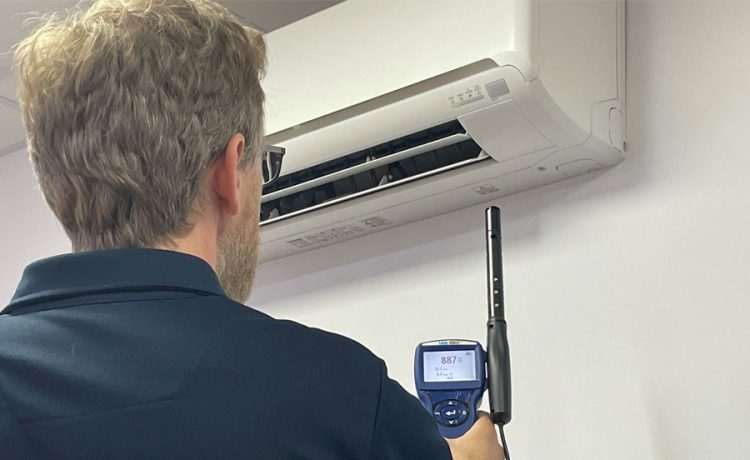
Indoor air quality analysis comprises measurements of a number of physical, chemical, and biological aspects contributing to indoor air quality. Calibrated equipment is used to measure temperature, humidity, carbon dioxide, carbon monoxide, particulate matter, and air contaminants. Air samples can also be taken to check for mould, bacteria, or chemical contamination that can’t be uncovered by regular inspections. When the results are accurate, building managers will be able to dedicate resources to identifying the problem and taking steps to improve it in the most effective manner. Indoor Air Quality DOSH can be an important reference point at many workplace evaluations to assess indoor air quality and validate monitoring methods according to known best practices in occupational health and safety. DOSH assessments of indoor air quality give insights into a healthier and safer indoor environment.
The City of Rochester is a Location that is Open to the Public
 Beyond regulatory requirements, maintaining good indoor air quality through DOSH will provide benefits. Well-ventilated staff spaces can lead to better concentration, lower absenteeism, and increased overall comfort. Clean air in schools promotes better learning environments, and healthcare facilities can depend on proper air management for a diminished spread of airborne contaminants. However, property owners are also ensuring the future value of their property by looking for moisture issues, ventilation issues and sources of contaminants before they can become expensive problems. Regular Indoor Air Quality DOSH tests provide an opportunity for an organisation to create a plan for future maintenance that supports their efficient operation whilst providing the health assurance for building users. The longevity of a facility is clearly shown in these investments made in regular monitoring, establishing a commitment to employee safety and everything that is sustainable in facility management.
Future of Indoor Air Quality Monitoring
The indoor air quality data analysis field is continually evolving with new technologies. New, connected smart sensors, wireless monitoring devices, and reporting Web systems allow for real-time, continual monitoring of indoor environmental conditions. Accurate data can be used in making well-informed decisions about ventilation upgrades, filtration systems and maintenance schedules for better building performance over time. Indoor Air Quality DOSH assessments promote increased work occupancy, trust and better environmental sustainability through continuous improvement. Indoor air quality DOSH, driven by scientific analysis and the latest technology in conjunction with effective preventative management, not just helps to make indoor spaces safer for years to come but contributes to healthier indoor environments for years to come, helping to enhance productivity, comfort, and public health.