

There is something timeless about driving with the top down. The feeling of open air, sunlight, and a direct connection to the road has made convertibles a favorite for decades. At the center of that experience is the convertible top, a feature that blends engineering, design, and comfort in ways many drivers rarely stop to think about. While it may seem like a simple mechanism, the reality is far more complex, with thoughtful design choices shaping everything from durability to noise control.
Convertible tops have evolved significantly over time. What began as manually operated fabric covers has turned into highly engineered systems with automated controls, weatherproof materials, and sleek integration into modern vehicle design. Today’s convertible drivers expect more than just style. They want reliability, comfort, and performance, all wrapped into a seamless experience that works just as well in everyday driving as it does on a scenic weekend ride.
Understanding How Convertible Tops Work
At a basic level, a convertible top is designed to protect the interior of a vehicle while offering the option to retract and create an open-air cabin. The system includes a frame, a covering material, and a mechanism that allows it to fold or retract. While the concept sounds straightforward, each component must work together precisely to ensure smooth operation and long-term durability.
Modern convertible systems often rely on electric motors and hydraulic components to automate the process. With the push of a button, the top folds neatly into a designated compartment, usually behind the rear seats. This convenience has made convertibles more accessible to everyday drivers, eliminating the effort once required to manually operate the top.
Soft Tops vs Hardtops
Convertible tops generally fall into two main categories, soft tops and hardtops. Soft tops are made from durable fabrics such as canvas or vinyl, offering flexibility and a classic look. They are typically lighter and allow for more compact storage when retracted, which can improve fuel efficiency and trunk space.
Hardtops, on the other hand, use rigid materials like metal or composite panels. These tops provide better insulation from noise and weather, making them feel closer to a traditional car when closed. However, they tend to be heavier and require more complex mechanisms, which can increase both cost and maintenance requirements over time.
Materials and Durability
The materials used in convertible tops play a major role in their performance. High-quality fabrics are treated to resist water, UV rays, and wear, ensuring that the top maintains its appearance and functionality for years. Vinyl options are often more affordable and easier to clean, while premium canvas materials offer a refined look and better breathability.
Durability is not just about the outer layer. The internal frame, seals, and stitching all contribute to the lifespan of the top. Manufacturers invest heavily in testing these components under extreme conditions, from heavy rain to intense sunlight, to ensure they meet the expectations of modern drivers.
Benefits of Owning a Convertible
Owning a convertible is about more than just aesthetics. It offers a driving experience that feels unique compared to standard vehicles. The ability to switch between an enclosed cabin and an open-air environment gives drivers a sense of freedom that is hard to replicate in other types of cars.
There is also a lifestyle element to convertibles. They are often associated with leisure, scenic drives, and a more relaxed approach to travel. For many owners, a convertible is not just a vehicle but a way to enjoy the journey as much as the destination.
Driving Experience and Comfort
Driving with the top down changes how you experience the road. Sounds become more vivid, the air feels closer, and the surroundings are more immersive. This sensory connection can make even a routine drive feel more engaging and memorable.
At the same time, modern convertibles are designed to maintain comfort. Wind deflectors, improved aerodynamics, and climate control systems help reduce turbulence and keep the cabin pleasant. Even with the top down, drivers can enjoy a balanced and comfortable ride without excessive noise or discomfort.
Versatility and Everyday Use
One of the misconceptions about convertibles is that they are only suitable for occasional use. In reality, many modern models are designed for daily driving. With improved insulation, better sealing, and advanced materials, a convertible top can handle various weather conditions effectively.
This versatility allows drivers to enjoy the benefits of a convertible without sacrificing practicality. Whether commuting to work or heading out for a weekend trip, a convertible can adapt to different needs while still offering its signature open-air experience.
Maintenance and Care Tips
Proper maintenance is essential to keep a convertible top in good condition. Regular cleaning helps prevent dirt and debris from damaging the material, while protective treatments can extend its lifespan. Neglecting maintenance can lead to issues such as fading, leaks, or reduced flexibility over time.
It is also important to inspect the top periodically for signs of wear. Small problems, such as loose stitching or minor cracks, can be addressed early before they develop into more serious issues. Taking a proactive approach to care ensures that the top remains functional and visually appealing.
Cleaning and Protection
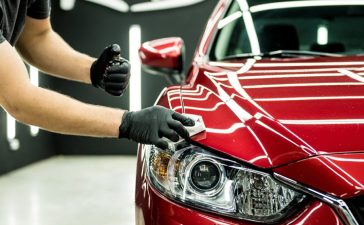
Cleaning a convertible top requires the right approach and products. Harsh chemicals can damage the material, so it is best to use cleaners specifically designed for automotive fabrics or vinyl. Gentle brushing and thorough rinsing help remove dirt without causing unnecessary wear.
Protective treatments, such as water repellents and UV blockers, can further enhance durability. These products create a barrier against environmental factors, helping the top maintain its color and resistance to moisture over time.
Repair and Replacement
Even with proper care, convertible tops may eventually need repairs or replacement. Common issues include tears, worn seals, and mechanical malfunctions in the folding system. Addressing these problems promptly can prevent further damage and maintain the integrity of the vehicle.
Replacing a convertible top is a more involved process that requires professional expertise. Choosing high-quality materials and experienced technicians ensures that the new top fits properly and performs as expected, preserving both the function and appearance of the car.
Innovations in Convertible Top Design
Advancements in technology have transformed how convertible tops are designed and used. Modern systems are quieter, faster, and more reliable than ever before. Engineers continue to refine materials and mechanisms to improve performance while reducing weight and complexity.
One notable trend is the integration of smart features. Some convertible tops can be operated remotely, allowing drivers to open or close them before entering the vehicle. Others are designed to function at low speeds, adding convenience in situations such as sudden changes in weather.
Sustainability and Future Trends
Sustainability is becoming an important consideration in automotive design, and convertible tops are no exception. Manufacturers are exploring eco-friendly materials and production methods to reduce environmental impact. Recyclable fabrics and energy-efficient manufacturing processes are gaining attention as the industry moves toward more sustainable practices.
Future developments may also include enhanced durability and self-healing materials that can repair minor damage automatically. These innovations could extend the lifespan of convertible tops and reduce the need for replacements, making them more cost-effective and environmentally friendly.
Choosing the Right Convertible Top
Selecting the right convertible top involves considering several factors, including material, design, and intended use. Drivers who prioritize style and a traditional look may prefer a soft top, while those seeking additional insulation might opt for a hardtop. Each option has its advantages, and the choice often comes down to personal preference and lifestyle.
Budget is another important factor. While premium materials and advanced features can increase the cost, they often provide better performance and longevity. Balancing quality and affordability ensures that the investment delivers long-term value and satisfaction.
Matching Style with Function
A convertible top is not just a functional component, it also plays a key role in the overall appearance of the vehicle. The color, texture, and fit of the top can enhance the car’s design and reflect the owner’s personal taste. Choosing a style that complements the vehicle’s body lines creates a cohesive and visually appealing look.
At the same time, functionality should not be overlooked. Features such as ease of operation, weather resistance, and noise reduction contribute to the overall driving experience. A well-chosen top strikes the right balance between aesthetics and practicality.
Conclusion
Convertible tops represent a unique blend of engineering and lifestyle. They allow drivers to experience the road in a way that few other vehicles can offer, combining freedom, style, and versatility. From material selection to advanced mechanisms, every aspect of a convertible top is designed to enhance both performance and enjoyment.
By understanding how these systems work and how to care for them, drivers can make informed decisions and get the most out of their vehicles. Whether it is the thrill of open-air driving or the practicality of modern design, convertible tops continue to capture the imagination and deliver an experience that feels both timeless and fresh.