

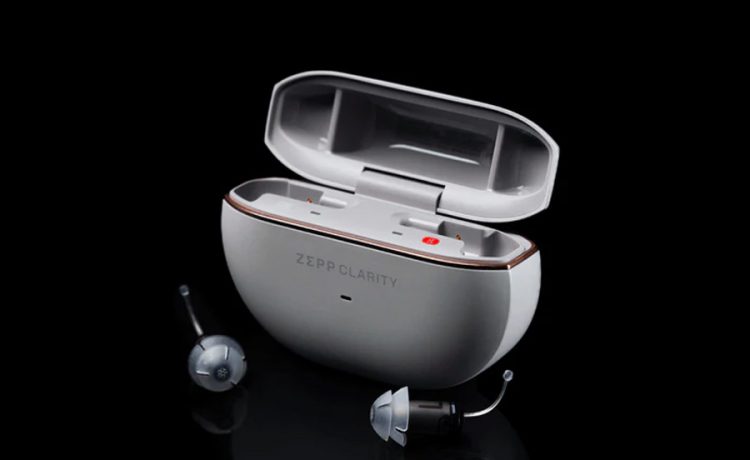
Modern hearing technology has come a long way from the bulky, noticeable devices of the past. Today, people who experience hearing loss have access to solutions that combine advanced performance with discreet, elegant design. For many, appearance and comfort are just as important as sound quality, especially when they want to feel confident in social and professional settings. In the middle of this growing demand, the nearly invisible hearing aid has become a breakthrough option—providing powerful hearing support in a design so small it’s barely noticeable to others.
Before choosing a nearly invisible hearing aid, it’s important to understand the different types of discreet devices available. The most hidden style is the Invisible-in-Canal (IIC) model, which sits deep inside the ear canal, making it virtually undetectable. Completely-in-Canal (CIC) aids are slightly larger but still fit snugly and discreetly within the ear. Mini Behind-the-Ear (BTE) or Receiver-in-Canal (RIC) options, though not entirely hidden, use ultra-thin tubing and small casings that blend naturally with skin tone or hair colour. Each type has its own advantages, depending on hearing needs, ear shape, and comfort preferences.
When evaluating options, sound quality remains the top priority. Even the smallest hearing aids now incorporate advanced digital technology capable of filtering background noise, enhancing speech, and automatically adjusting to changing sound environments. Some models feature Bluetooth connectivity, allowing wearers to stream calls, music, and TV audio directly from their smartphones. Despite their size, these devices deliver impressive clarity and natural sound processing.
Comfort and fit are also key considerations. Because nearly invisible models rest deeper in the ear canal, they must be custom-molded for each user. A professional audiologist takes an impression of the ear to ensure a secure and comfortable fit that won’t shift during daily activities. This personalization enhances both comfort and acoustic performance, ensuring the microphone and speaker sit in the optimal position for natural hearing.
However, there are a few limitations to keep in mind. Due to their compact size, invisible hearing aids typically have shorter battery life compared to larger models—though rechargeable options are becoming more common. They also may not be ideal for individuals with severe hearing loss, as smaller devices have limited amplification power. Those with frequent earwax buildup or very small ear canals might also find in-canal models less practical.
Working with a qualified audiologist is essential. They can assess hearing needs, explain the pros and cons of each design, and recommend a model that balances discretion with performance. A trial period is often available, allowing users to test comfort and sound quality before making a final decision.
Ultimately, the best hearing aid is one that fits seamlessly into your life—functionally, physically, and emotionally. A nearly invisible hearing aid offers not just restored hearing, but renewed confidence and connection, proving that modern hearing care can be both effective and beautifully discreet.