
Most people have heard of blood donation, but fewer understand the unique role plasma plays in modern medicine. Plasma is the pale yellow liquid portion of blood that carries proteins, antibodies, and essential nutrients throughout the body. It might not get the same attention as red blood cells, but in many cases, it is even more critical for saving lives.
For those who choose to donate, the process can feel surprisingly simple. You sit, relax, and let a machine do the work while your body continues producing more plasma naturally. What might seem like a small act of time and effort can make a meaningful difference for patients who rely on plasma-based therapies every day.
What Plasma Does and Why It Matters
Plasma makes up more than half of your blood volume, yet it often goes unnoticed in everyday conversations about health. Its primary job is to transport important substances such as hormones, proteins, and clotting factors. Without plasma, these elements would not move efficiently through the body.
In medical settings, plasma becomes even more valuable. It is used to create therapies for people with immune deficiencies, bleeding disorders, and certain neurological conditions. Unlike some treatments that can be manufactured, plasma-derived therapies rely directly on human donations.
Supporting patients with rare and chronic conditions
Many patients depend on plasma-based medications for long term care. These therapies help manage conditions that affect the immune system or prevent proper blood clotting. For these individuals, regular access to plasma is not optional, it is essential.
Because these treatments require consistent supply, donation centers are always in need of new and returning donors. Each donation contributes to a larger system that supports thousands of patients who may never meet the people helping them.
Why demand continues to grow
Advancements in medicine have expanded the use of plasma therapies. As researchers discover new applications, the need for plasma continues to increase. This creates a steady demand that donation centers work hard to meet.
Unlike some medical resources, plasma cannot be fully replaced by synthetic alternatives. This makes donor participation especially important. Every contribution helps bridge the gap between medical need and available supply.
Understanding the Donation Process
For someone considering donating for the first time, the process may feel unfamiliar. Knowing what to expect can make the experience more comfortable and less intimidating. Plasma donation is a structured procedure designed with safety and efficiency in mind.
The process typically begins with a health screening. This includes questions about medical history and a quick physical check to ensure that donation is safe for both the donor and recipients. Once approved, the actual donation can begin.
How plasma is collected
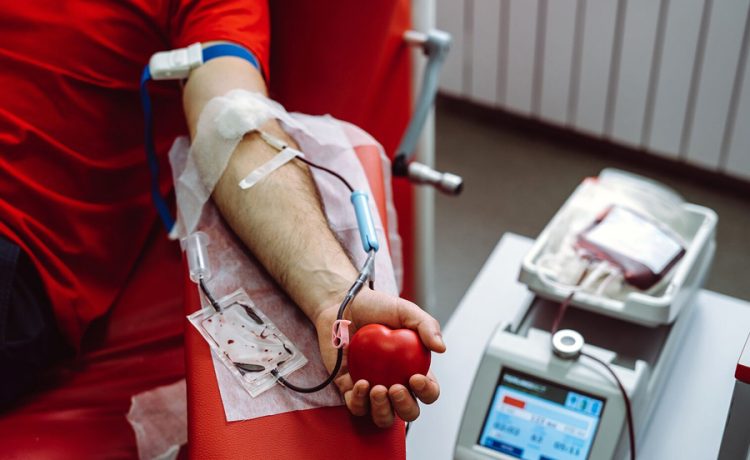
Plasma donation uses a process called plasmapheresis. Blood is drawn from the body, and a machine separates the plasma from other components. The remaining parts, such as red blood cells, are returned to the donor.
This cycle continues until the required amount of plasma is collected. The process usually takes longer than a standard blood donation, often around one to two hours. Many donors use this time to read, watch something, or simply relax.
Safety and recovery after donation
Safety is a top priority at donation centers. Equipment is sterile, and trained professionals monitor donors throughout the process. Most people tolerate plasma donation well, with minimal side effects.
After donating, it is common to feel slightly tired. Drinking fluids and eating a balanced meal can help restore energy levels. The body quickly replaces the donated plasma, often within a day or two.
Who Can Donate and What to Expect
Not everyone is eligible to donate plasma, but many healthy adults can participate. Requirements are in place to protect both donors and recipients. These guidelines ensure that the donation process remains safe and effective.
Eligibility criteria often include age, weight, and general health status. Donors must also pass a screening that checks for certain medical conditions or risk factors. While this may seem strict, it helps maintain the quality of plasma used in treatments.
Preparing for your first visit
Preparation can make the donation experience smoother. Staying hydrated is one of the most important steps. Drinking plenty of water before your appointment helps improve blood flow and makes the process easier.
Eating a nutritious meal beforehand is also recommended. Foods rich in protein and iron can support your body during and after donation. Wearing comfortable clothing can make the time spent at the center more relaxing.
Common concerns and misconceptions
Some people worry that donating plasma will weaken their immune system or leave them feeling unwell. In reality, the body is capable of replacing plasma relatively quickly. For most donors, the process does not have long term negative effects.
Another common concern is discomfort. While there may be a brief pinch when the needle is inserted, the rest of the process is typically painless. Donation centers aim to create a calm and supportive environment for all donors.
The Human Side of Plasma Donation
Behind every plasma donation is a story, even if the donor never hears it. A child with a rare immune disorder, a patient recovering from trauma, or someone managing a chronic illness may all rely on plasma-derived treatments.
Donors often describe a quiet sense of purpose. Unlike some forms of volunteering, the impact is not always visible, but it is very real. Knowing that your time can help someone else live a healthier life is a powerful motivator.
Building a routine that helps others
Many donors choose to make plasma donation part of their regular routine. Because the body replenishes plasma quickly, it is possible to donate more frequently than whole blood. This allows donors to contribute on an ongoing basis.
In some communities, donation centers become familiar places where people return regularly. Over time, the act of donating can feel less like a one time effort and more like a steady way to give back.
Community impact and awareness
Raising awareness about plasma donation helps ensure a stable supply for medical use. When more people understand its importance, participation tends to increase. This creates a stronger support system for patients who depend on these treatments.
Even simple conversations can make a difference. Sharing experiences or encouraging others to learn more can help remove uncertainty and inspire new donors to get involved.
Practical Benefits for Donors
While the primary motivation for many donors is helping others, there are also practical benefits to consider. Donation centers often provide compensation for time and effort. This can be a helpful bonus for those looking to supplement their income.
The process also encourages healthy habits. Regular screenings can provide insight into your overall health, and the routine of preparing for donation often promotes better hydration and nutrition.
Compensation and time commitment
Compensation varies depending on the center and frequency of donations. While it should not be the only reason to donate, it can make the experience more accessible for people with busy schedules.
Time commitment is another factor to consider. Each session takes longer than a typical blood donation, so planning ahead is important. Many donors find ways to make the time productive or relaxing.
Finding a center that fits your needs
Choosing the right donation center can improve the overall experience. Clean facilities, friendly staff, and clear communication all contribute to a positive visit. Taking time to read reviews or ask questions can help you feel more confident.
For example, someone looking into plasma donation in Laredo might compare different centers to find one that aligns with their expectations. Factors such as wait times, staff professionalism, and overall comfort can make a big difference.
A Small Commitment With a Lasting Impact
Plasma donation may not always be visible in everyday conversations, but its impact is far reaching. It supports medical treatments that improve and save lives, often in ways that go unnoticed by the general public.
For donors, the experience can be both simple and meaningful. It offers a way to contribute to something larger while maintaining a manageable routine. With the growing demand for plasma therapies, every donation becomes part of a larger effort to meet real medical needs.
In the end, it is not about grand gestures. It is about showing up, giving what you can, and knowing that even a small act can carry real weight for someone else.